From My Shelf
Over the years, I've found a handful of products that have earned a permanent place in my daily rhythm. These are the tools, supplements, books, and wellness essentials I personally use and regularly recommend to friends, family, and clients.
As always, listen to your body and work with your healthcare provider when making changes to your wellness routine.
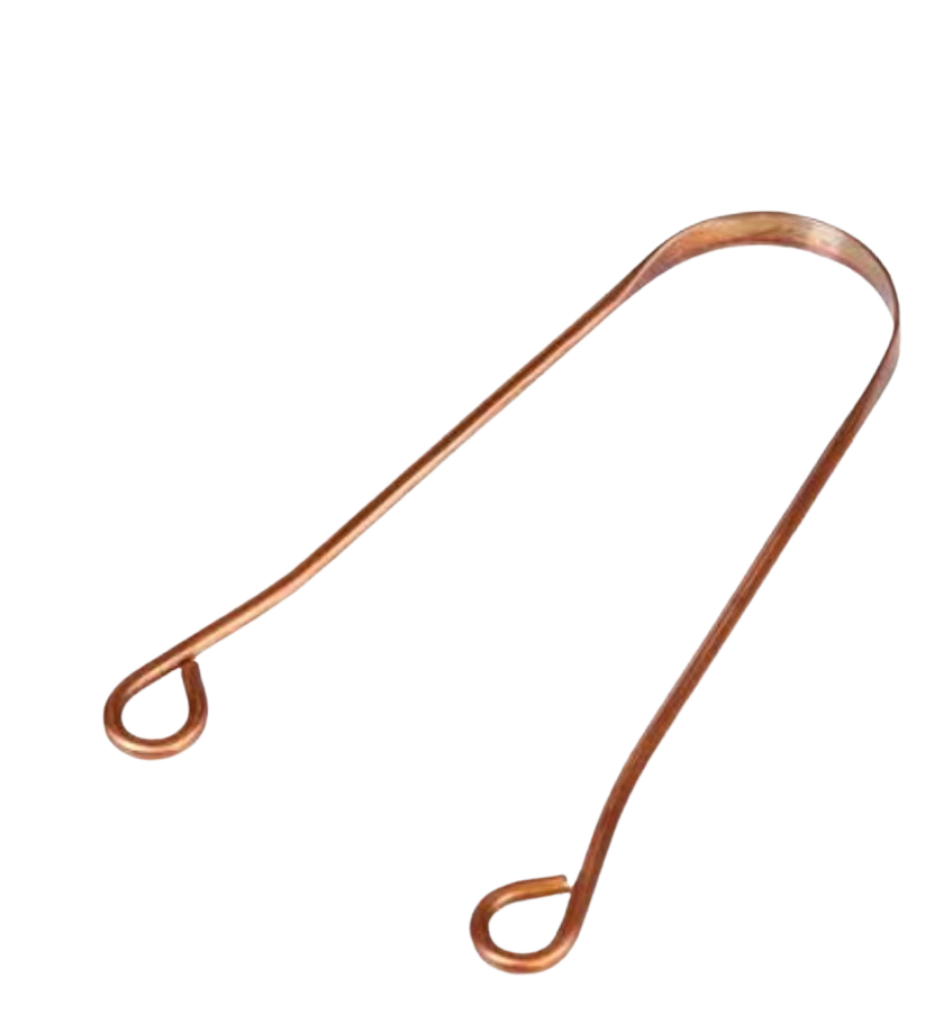
Copper Tongue Scraper
Why It's On My Shelf
Tongue scraping is one of the simplest daily practices recommended in Ayurveda. Traditionally performed first thing in the morning before brushing the teeth, it is used to remove the coating that accumulates on the tongue overnight and to support overall oral and digestive health.
I use a copper tongue scraper every morning as part of my daily Ayurvedic routine. It takes less than a minute, but it's one of those small habits that helps me feel more awake, refreshed, and connected to my body's natural rhythms.
The Ayurvedic Perspective
In Ayurveda, the tongue is considered a reflection of what is happening throughout the body, particularly within the digestive system. A thick coating on the tongue is traditionally viewed as a sign of ama, a Sanskrit term referring to accumulated metabolic waste resulting from incomplete digestion.
Tongue scraping is traditionally used to:
Remove accumulated coating from the tongue
Support fresh breath
Enhance the sense of taste
Stimulate digestive function (agni)
Encourage healthy oral hygiene practices
Support daily detoxification routines
Why Copper?
Ayurveda has long favored copper for tongue scraping. Copper has been traditionally valued for its cleansing properties and durability, making it a practical material for daily use.
A copper scraper is:
Reusable
Easy to clean
Long-lasting
Simple to incorporate into a morning routine
Traditionally Used in Ayurveda For:
Supporting healthy digestion
Encouraging balanced agni (digestive fire)
Removing ama from the tongue's surface
Promoting oral cleanliness
Improving awareness of the body's daily digestive state
How I Use It
Each morning before eating or drinking anything, I gently scrape my tongue several times from back to front, rinsing the scraper between passes. I follow with brushing my teeth and oil pulling when time allows.
It's a small practice, but one of my favorite examples of how Ayurveda emphasizes simple daily habits that support long-term wellness.
Ayurvedic Fun Fact
The tongue is one of Ayurveda's traditional assessment tools. Practitioners often observe the tongue's color, moisture, shape, and coating as part of understanding a person's overall state of balance.
The Copper Tongue Scraper I Personally Use
Arista Ayurvedic Copper Tongue Scraper
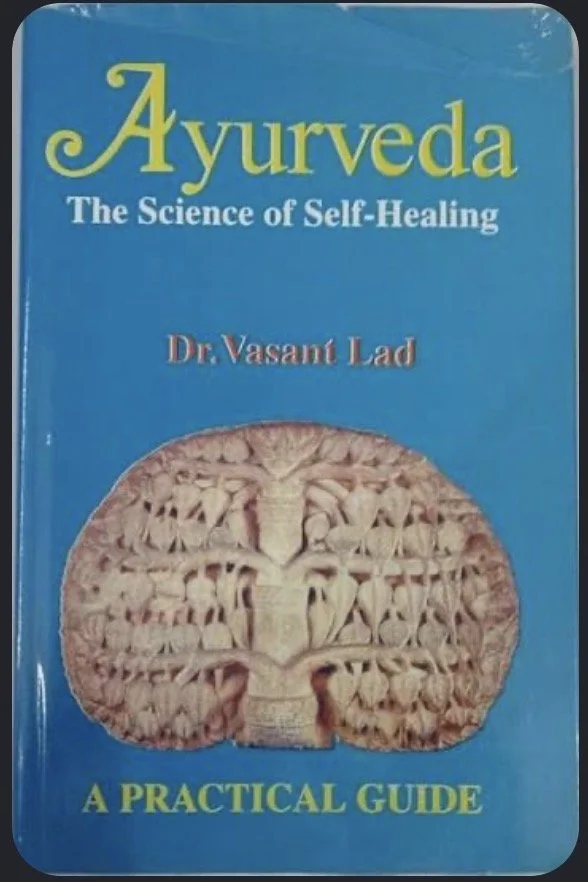
Ayurveda: The Science of Self-Healing
By Dr. Vasant Lad
Why It's On My Shelf
If you're interested in learning about Ayurveda, this is one of the first books I recommend.
Written by renowned Ayurvedic physician and teacher Dr. Vasant Lad, Ayurveda: The Science of Self-Healing offers an approachable introduction to the principles that have guided Ayurvedic medicine for thousands of years. It lays the groundwork for understanding digestion, daily routines, constitutional balance, and the connection between lifestyle and health.
This book helped deepen my understanding of Ayurveda beyond herbs and nutrition and into a more holistic way of viewing wellness.
What You'll Learn
This book introduces many of the foundational concepts of Ayurveda, including:
The three doshas: Vata, Pitta, and Kapha
How digestion (agni) influences overall health
The concept of ama (accumulated metabolic waste)
Daily self-care practices (dinacharya)
Seasonal living (ritucharya)
The qualities (gunas) that influence balance in the body
Ayurvedic perspectives on food, lifestyle, and wellness
Rather than focusing on quick fixes, Ayurveda teaches us to observe patterns, understand our constitution, and make small adjustments that support long-term balance.
Why I Recommend It
One of the things I appreciate most about Dr. Vasant Lad's teaching style is his ability to make a complex system feel approachable.
Many modern wellness resources focus on isolated symptoms, but Ayurveda asks a different question:
"Why is the body expressing this imbalance in the first place?"
This book provides a strong foundation for understanding that perspective.
Whether you're curious about Ayurveda, interested in holistic health, or simply want to better understand the principles behind many of the products and practices I share, this is an excellent place to begin.
Who It's For
Complete beginners to Ayurveda
Anyone curious about holistic wellness
People looking to understand their dosha
Students interested in traditional healing systems
Those wanting a deeper understanding of the Ayurvedic principles that influence my work
My Recommendation
Ayurveda: The Science of Self-Healing by Dr. Vasant Lad
https://www.amazon.com/dp/0914955004
Favorite Takeaway
Ayurveda teaches that health is not something we achieve once and keep forever. It is a dynamic state of balance that is cultivated through our daily choices, habits, relationships, environment, and connection to ourselves.
That perspective continues to influence the way I approach both wellness and my work as an Ayurvedic Health Counselor.
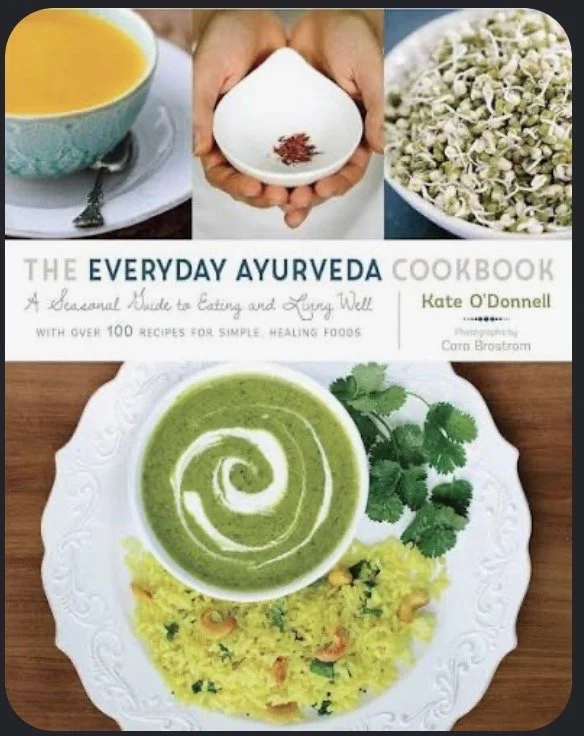
The Everyday Ayurveda Cookbook
By Kate O'Donnell
Why It's On My Shelf
If you're curious about Ayurvedic cooking but feel intimidated by traditional texts, this is the cookbook I recommend starting with.
The Everyday Ayurveda Cookbook beautifully bridges ancient Ayurvedic wisdom with modern kitchens, offering practical recipes and seasonal guidance that feel approachable for everyday life. Rather than focusing on strict rules or complicated ingredients, Kate O'Donnell teaches readers how to work with the seasons, support digestion, and cultivate balance through simple meals.
This is one of my favorite resources because it translates Ayurvedic principles into something tangible: what we cook, eat, and share each day.
What You'll Learn
This book introduces readers to Ayurvedic cooking through a practical, seasonal lens, including:
The foundations of Ayurvedic nutrition
How the seasons influence the body
The role of digestion (agni) in overall wellness
Ways to balance Vata, Pitta, and Kapha through food
Simple kitchen practices that support health
Seasonal recipes inspired by Ayurvedic principles
How to make nourishing meals without overcomplicating the process
Rather than focusing on restriction, Ayurveda encourages us to cultivate awareness of how food affects our energy, digestion, and overall sense of well-being.
Why I Recommend It
Many people discover Ayurveda through herbs and supplements, but food is one of Ayurveda's most powerful daily tools.
What I appreciate most about this book is that it makes Ayurvedic cooking feel accessible. The recipes are approachable, the guidance is practical, and the focus remains on supporting the body's natural rhythms through simple, nourishing meals.
Whether you're brand new to Ayurveda or looking for inspiration in the kitchen, this book offers a beautiful introduction to seasonal living through food.
Who It's For
Beginners interested in Ayurvedic cooking
Home cooks looking for seasonal inspiration
Anyone wanting to improve digestion through food
People interested in holistic wellness
Those curious about bringing Ayurvedic principles into everyday life
My Recommendation
The Everyday Ayurveda Cookbook by Kate O'Donnell
https://www.amazon.com/dp/1611802296
Favorite Takeaway
One of the most valuable lessons Ayurveda teaches is that wellness isn't found in a single superfood or supplement—it's cultivated through consistent daily choices.
This book reminds us that every meal is an opportunity to support balance, nourishment, and connection with the season we're living in.
Shilajit: An Ayurvedic Perspective
Shilajit is a mineral-rich substance traditionally used in Ayurveda for vitality, resilience, and healthy aging. Formed over centuries through the natural breakdown of plant matter in high mountain regions, it has been treasured for thousands of years as one of Ayurveda's most revered rejuvenative substances.
Ayurvedic Classification
Primary Action: Rasayana (rejuvenative tonic)
Taste (Rasa):
Predominantly pungent and bitter
Qualities (Guna):
Light
Sharp
Penetrating
Energy (Virya):
Warming
Post-Digestive Effect (Vipaka):
Pungent
Effect on the Doshas
Traditionally, Shilajit is considered balancing for all three doshas when used appropriately, though it is especially valued for supporting excess Kapha and Vata due to its warming, penetrating nature.
Traditionally Used in Ayurveda For:
Supporting healthy energy and stamina
Promoting resilience during periods of stress
Nourishing the body's tissues (dhatus)
Supporting healthy metabolism (agni)
Encouraging efficient nutrient absorption
Supporting reproductive vitality (shukra dhatu)
Maintaining healthy aging and longevity
Supporting mental clarity and focus
Promoting strength and recovery
The Seven Tissues (Dhatus)
Ayurvedic texts describe Shilajit as having an affinity for all seven bodily tissues:
Rasa – nourishment and hydration
Rakta – healthy blood tissue
Mamsa – muscle tissue
Meda – fat and metabolic tissue
Asthi – bones and structural tissue
Majja – nervous system and marrow
Shukra/Artava – reproductive tissue
Because of its broad-spectrum nourishing qualities, it is often described as a substance that helps carry nutrients deep into the tissues.
Why It's On My Shelf
As an Ayurvedic Health Counselor, I appreciate herbs and traditional substances that have stood the test of time. Shilajit is one of the foundational rasayanas of Ayurveda and is traditionally valued for supporting vitality, resilience, healthy aging, and deep nourishment of the body's tissues.
I personally use purified Himalayan shilajit resin and appreciate that it is minimally processed while remaining easy to incorporate into a daily routine.
The brand I currently use and recommend:
As with any supplement, quality and sourcing matter. I encourage purchasing purified shilajit from reputable companies that provide transparency regarding sourcing and testing.
These statements have not been evaluated by the Food and Drug Administration. This information is intended for educational purposes only and is not intended to diagnose, treat, cure, or prevent any disease.

Ayurvedic Oil Pulling Blend
Why It's On My Shelf
Oil pulling is one of the foundational daily self-care practices recommended in Ayurveda. Traditionally known as Gandusha or Kavala, this practice involves swishing oil in the mouth to support oral health and overall well-being.
I use this coconut-based Ayurvedic oil pulling blend as part of my morning routine before eating or drinking. It's a simple practice that leaves my mouth feeling clean and refreshed while supporting healthy gums, teeth, and oral tissues.
The Ayurvedic Perspective
Ayurveda views the mouth as an important gateway to the digestive system. Daily oral care practices are traditionally used to support healthy digestion, clear accumulated toxins (ama), and maintain balance throughout the body.
Oil pulling is traditionally used in Ayurveda to:
Support healthy teeth and gums
Promote fresh breath
Cleanse the oral cavity
Soothe oral tissues
Support healthy digestion through daily oral care
Encourage a balanced morning routine (dinacharya)
Ingredients I Love
This particular blend combines traditional oil pulling with herbs and oils commonly used in Ayurvedic wellness practices:
Coconut Oil
Cooling and soothing in nature
Traditionally used to support oral tissues
Creates a pleasant base for daily oil pulling
Peppermint & Spearmint Oils
Refreshing and invigorating
Help leave the mouth feeling clean and fresh
Clove Oil
Traditionally valued in herbal oral care
Supports healthy gums and oral comfort
Tea Tree Oil
Commonly used in natural oral hygiene products
Cardamom & Fennel Oils
Two classic Ayurvedic herbs traditionally used to support digestion and fresh breath
Oregano Oil
Included for its traditional cleansing properties
Traditionally Used in Ayurveda For:
Supporting oral hygiene
Promoting healthy gums
Freshening breath
Supporting digestive wellness through daily oral care
Encouraging a healthy morning routine
How I Use It
First thing in the morning, before food or water, I swish approximately one tablespoon for 5–15 minutes while getting ready for the day. Afterwards, I spit it into the trash (not the sink), rinse my mouth, and follow with tongue scraping and brushing my teeth.
Why I Recommend It
Of all the Ayurvedic practices people can start with, oil pulling is one of the easiest. It requires very little effort, costs only a few minutes of your morning, and helps create a daily rhythm of caring for your body before the day begins
The Oil Pulling Blend I Personally Use
GuruNanda Pulling Oil
https://www.amazon.com/dp/B0CYRMY8LF
Traditionally used in Ayurveda as part of a daily self-care routine to support oral and digestive wellness.

Wheat Belly
By Dr. William Davis
Why It's On My Shelf
Not every book on my shelf is an Ayurvedic text.
Sometimes a book earns a place because it changes the way I think.
Wheat Belly was one of those books.
While I don't agree with every perspective presented, this book challenged me to take a closer look at the role modern wheat products were playing in my own diet and encouraged me to pay greater attention to how different foods affected my energy, digestion, hunger, and overall well-being.
For me, it became less about avoiding a specific food and more about learning to listen to my body.
What You'll Learn
In this book, Dr. William Davis explores:
The history of modern wheat cultivation
How wheat has changed over time
The relationship between food choices and blood sugar regulation
Common digestive concerns associated with wheat sensitivity
The role of processed foods in modern diets
Practical strategies for reducing wheat consumption
The book presents a perspective that encourages readers to become more intentional about the foods they consume and how those foods influence their health.
Why I Recommend It
One of the most valuable lessons I took from this book was the importance of paying attention.
Ayurveda teaches that there is no universally perfect diet for every person. Instead, we are encouraged to observe how food affects our digestion, energy, mood, sleep, and overall sense of balance.
Whether or not you choose to eliminate wheat, this book invites an important question:
"How do I feel after eating the foods I eat every day?"
That spirit of curiosity and self-observation aligns closely with the Ayurvedic approach to wellness.
Who It's For
Anyone curious about the relationship between food and health
People exploring digestive wellness
Those interested in reducing processed foods
Individuals seeking a more intentional relationship with food
Readers who enjoy questioning conventional nutrition advice
My Recommendation
Wheat Belly by Dr. William Davis
https://www.amazon.com/dp/1984824945
Favorite Takeaway
One of the most powerful things we can do for our health is become an active participant in it.
This book reminded me that wellness isn't about following rules blindly—it's about paying attention, gathering information, and learning how your unique body responds to the choices you make each day.